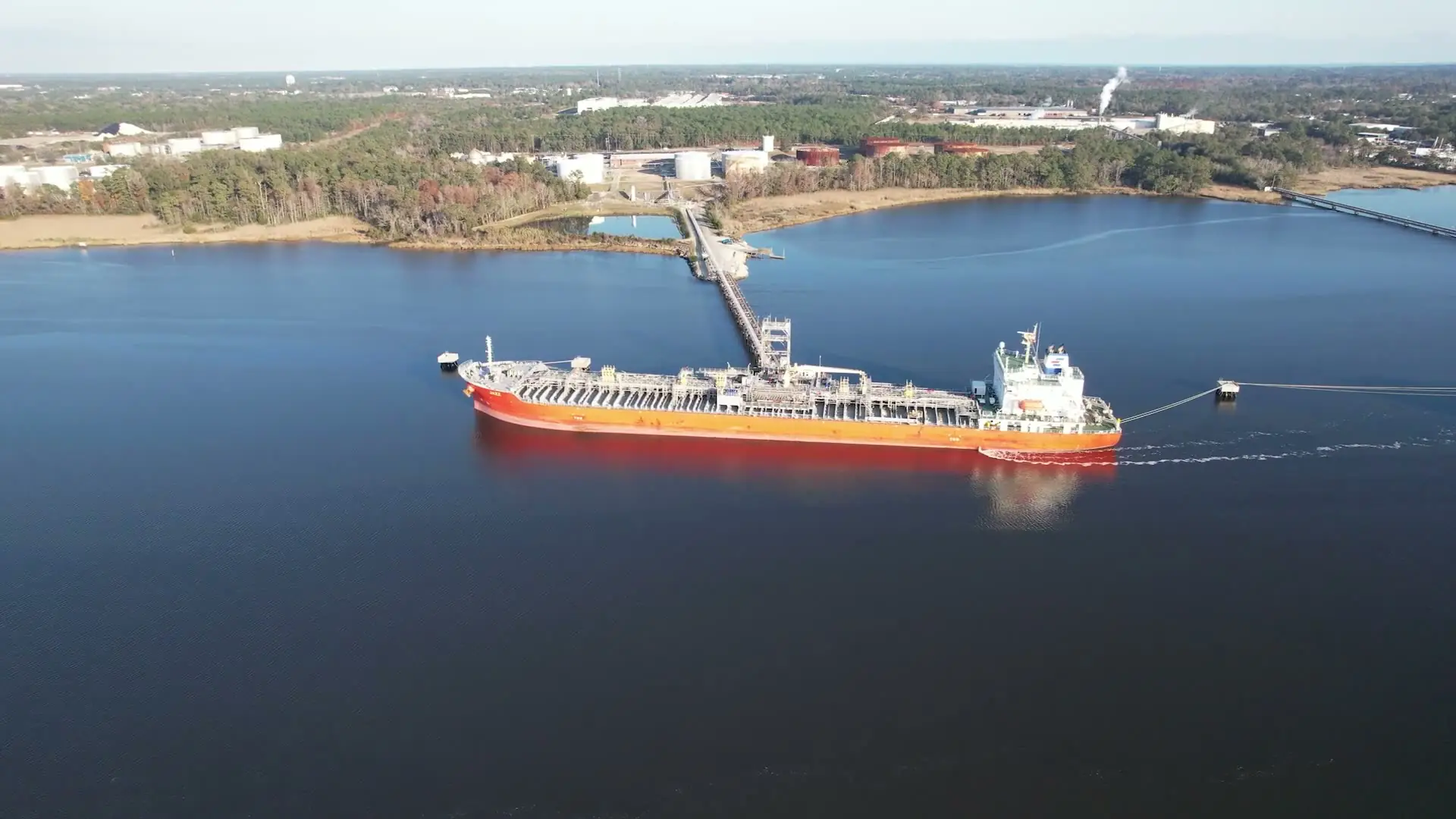
Supply-chain intelligence · bulk & liquid terminalsPilot
Every terminal’s natural customers, mapped.
Tanks, berths and the plants in each terminal’s 50–300-mile bands, across Savannah, Charleston, Wilmington, Jacksonville, Greensboro and NY/NJ harbor.
- SavannahGA
- CharlestonSC
- WilmingtonNC
- JacksonvilleFL
- GreensboroNC · inland hub
- NY/NJ harborin progress
Pilot deployment. Coverage is growing and figures are planning estimates.
Liquid and dry bulk
Built for the waterfront.
Tank farms, berths, shiploaders and stockpiles: the assets behind every terminal–customer match.
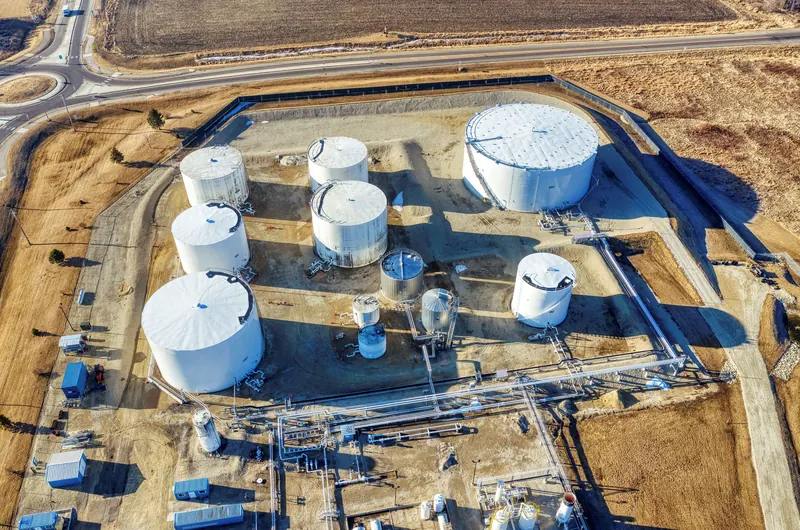
Photo: Tom Fisk / Pexels
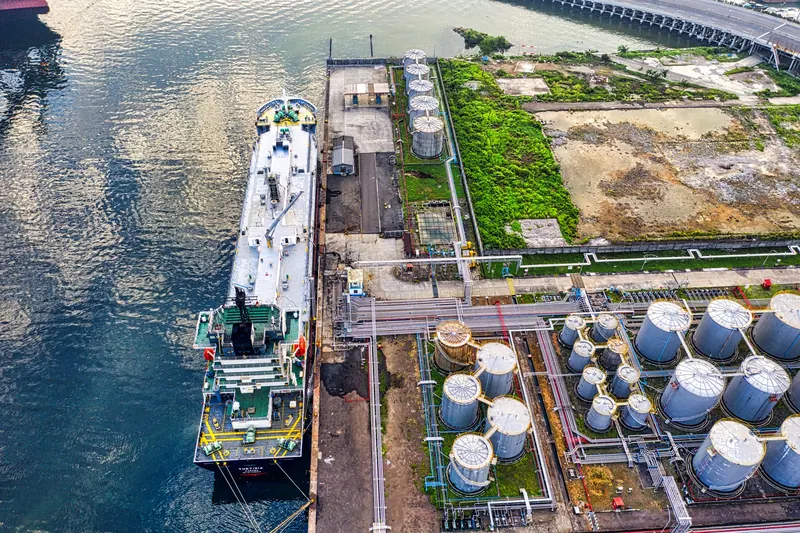
Photo: Tom Fisk / Pexels
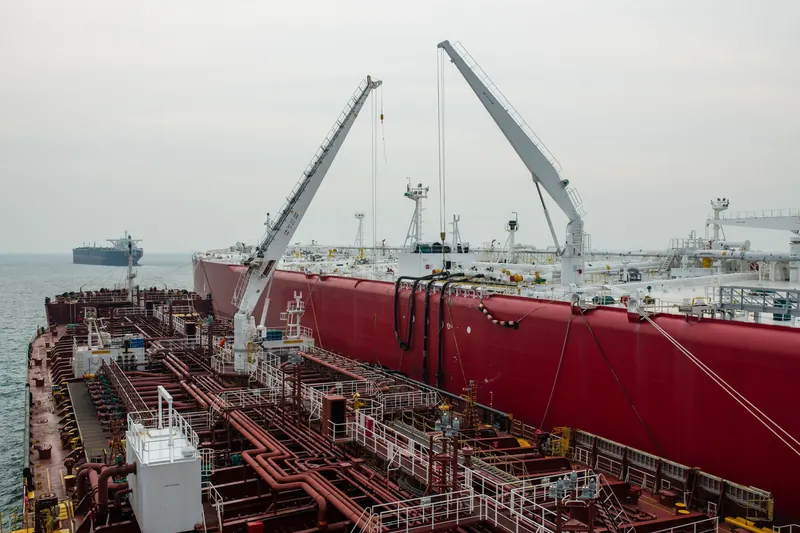
Photo: Oleksiy / Pexels
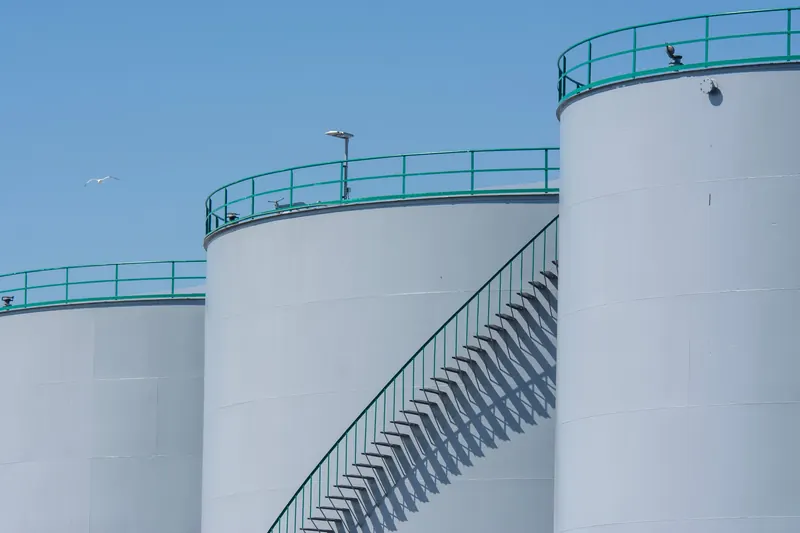
Photo: Jan van der Wolf / Pexels
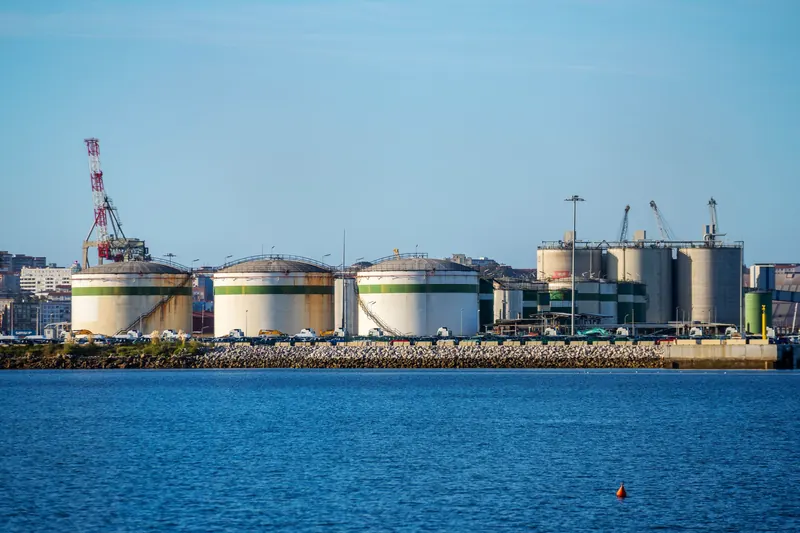
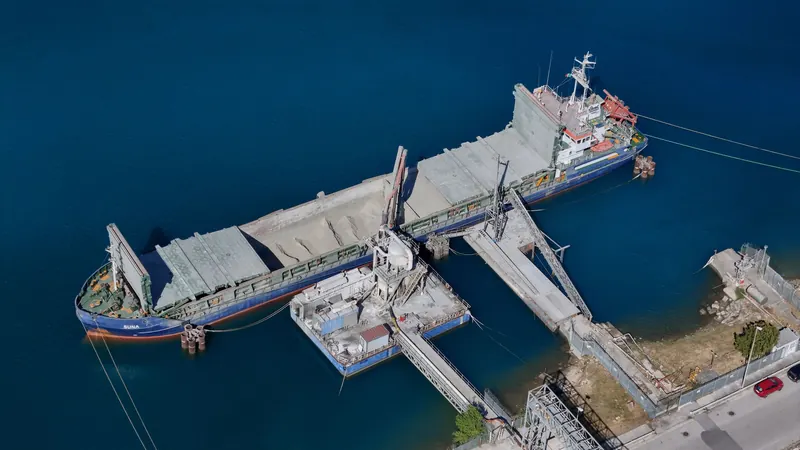
Photo: DeLuca G / Pexels
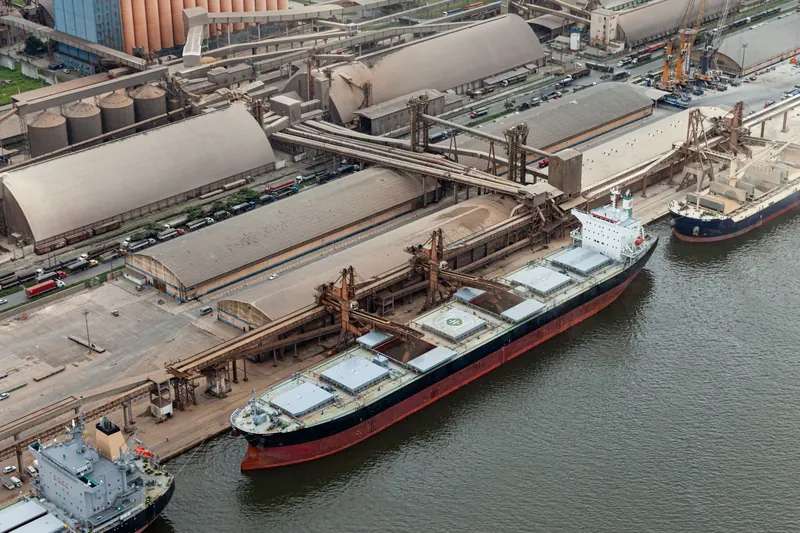
Photo: Fabrizio Zini / Pexels
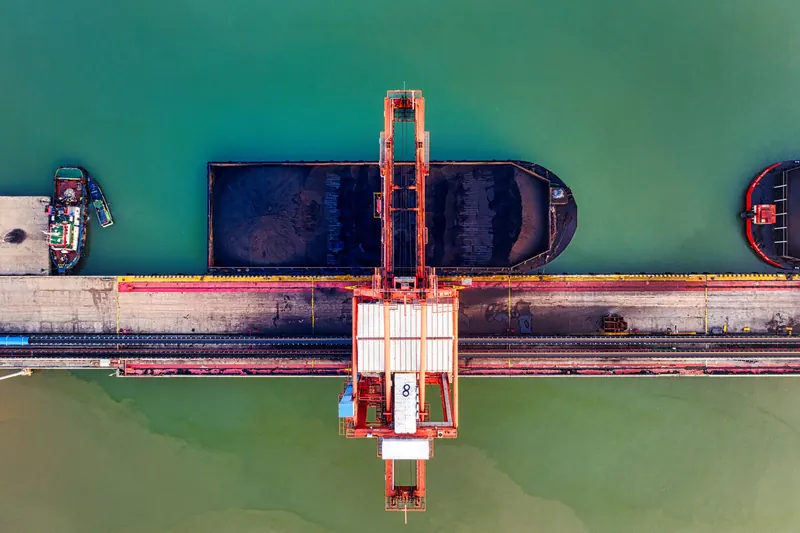
Photo: Tom Fisk / Pexels
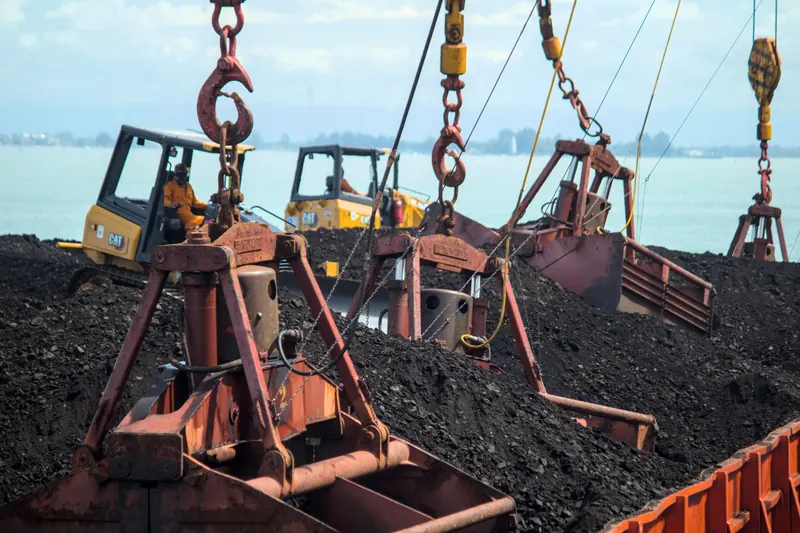
Photo: Dapur Melodi / Pexels
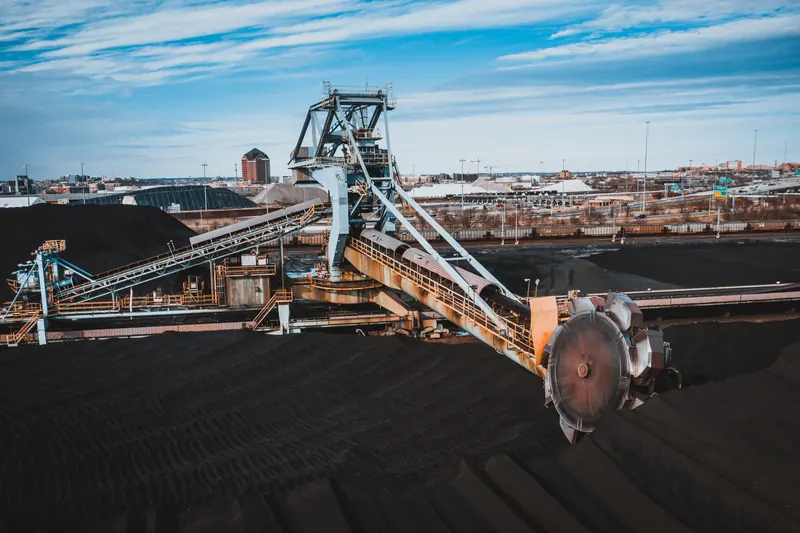
Photo: K / Pexels
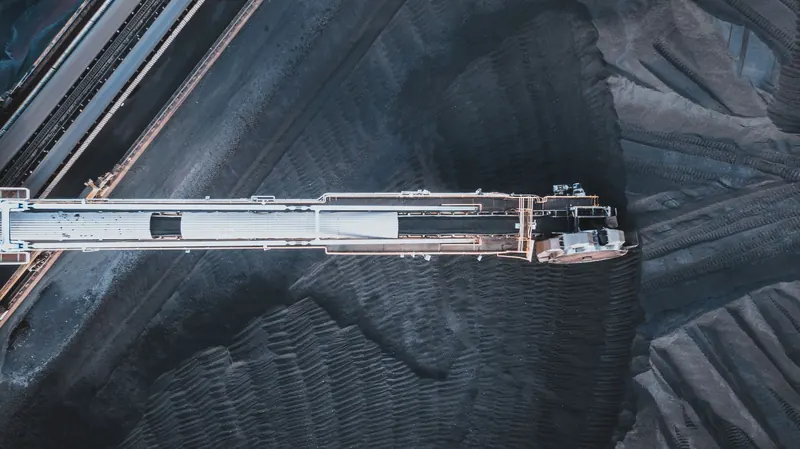
Photo: K / Pexels
Four nodes, one map
From the origin plant to the customer’s gate.
GCV joins four links of the bulk supply chain to answer one question: which plants are the natural customers of which terminal.
01Abroad
Origin manufacturers
Producers and origin ports overseas, tied to the US terminals they ship into, by commodity.
02Live
Vessels
Tankers and bulk carriers tracked into the berths they call at, so you see what is arriving where.
03Bulk & liquid
Terminals
Bulk and liquid terminals with their berths, storage tanks, capacity and the products they handle.
0450 · 100 · 200 · 300 mi
Customers
The plants that consume what each terminal stores, banded by distance and matched by product, with rail, truck and pipeline cost estimates.
Method
How it works
Terminals in, ranked customers out. Every output is a planning estimate.
- 01
Map the waterfront
Terminals, docks and berth lines, each verified against aerial imagery and tied to the property it sits on.
- 02
Profile the storage
Every terminal profiled tank by tank for capacity and product, normalised into one product list.
- 03
Watch the water
Vessel movements at each berth become calls, alongside what each port brings in, by commodity.
- 04
Match the customers
Plants within 300 miles are scored against each terminal by product and distance and placed in 50, 100, 200 and 300-mile bands.
- 05
Price the lane
Rail, truck and pipeline costs for every lane, as a ±25–30% planning band.